
Building a house in jamaica. What Every Returning Resident Needs to Know
Building a home in Jamaica is a dream shared by thousands of Jamaicans living overseas. After years of hard work and sacrifice, there is nothing more rewarding than returning home to a house built exactly the way you envisioned it.
Unfortunately, many returning residents discover that building while living overseas is far more complicated than they expected. Stories of projects going over budget, delayed completion dates, poor workmanship, and disputes with contractors are all too common.
The good news is that many of these problems can be avoided with proper planning, realistic expectations, and the right professional team.
If you’re thinking about building in Jamaica, here are some important things you should know before you break ground.
Start With a Bill of Quantities
One of the smartest investments you can make before construction begins is obtaining a Bill of Quantities (BOQ).
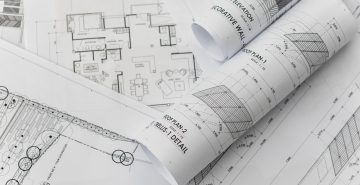
A Bill of Quantities is a detailed document prepared by a Quantity Surveyor that lists every major component of the project, including estimated quantities of materials, labour, and construction costs. Think of it as the financial blueprint for your project. Without a BOQ, many homeowners experience:
- Cost overrun.
- Difficulty comparing contractor quotations.
- Constant requests for additional money during construction.
A properly prepared BOQ helps ensure that every contractor is pricing the same scope of work, making quotations easier to compare and significantly reducing financial surprises. In other words, comparing apples to apples.
Unrealistic Expectations Can Be Expensive
Today’s social media platforms are filled with beautiful homes and quick construction videos that often make building appear simple and inexpensive.
What these videos rarely show are the engineering requirements, site preparation, labour costs, approvals, professional fees, transportation expenses, the stress that the process puts you through and countless decisions that happen behind the scenes.
Many homeowners begin construction expecting their project to cost far less than what it really should. In extreme but ever so often cases, homeowners start without ever thinking about the overall cost of the construction. This is evident across Jamaica as we see many unfinished buildings scattered across the island. I once had a property owner confidently tell me, “God will make it happen.” While faith is important, successful construction also requires careful planning, realistic budgeting, and disciplined execution.
During our initial project vision meetings, many returning residents are surprised when we calculate a realistic ballpark budget for the home they want to build. More often than not, the cost is considerably higher than they expected, not because anyone is overcharging them, but because they were never given realistic expectations from the start. The reality is that every project is unique. A home built on flat land in one parish cannot be directly compared with another built on a steep hillside in another location. Material quality, labour availability, structural requirements, and design complexity all influence the final cost.
Setting realistic expectations from the beginning leads to better planning, fewer disappointments, and a much smoother construction experience.
Quality Construction Is an Investment
Everyone wants to save money, and there is nothing wrong with looking for competitive prices. However, choosing the cheapest option simply because it is the cheapest can become one of the most expensive mistakes a homeowner makes. Extremely low quotations often result in:
- Poor workmanship.
- Inferior materials.
- Incomplete projects.
- Costly variations during construction.
- Expensive repairs after occupancy.
Professional architects, designers, engineers, quantity surveyors, and contractors spend years developing the knowledge and experience necessary to deliver safe, durable, and compliant buildings.
Rather than asking, “Who can do it the cheapest?” a better question is:
“Who will provide the best value while protecting my investment?”
The Reality Many Returning Residents Face
One of the unfortunate realities in Jamaica is that some returning residents become targets simply because they live overseas. Some have experienced inflated prices, unnecessary variations, excessive labour charges, delayed projects, or have paid for work that was never completed. These experiences create frustration and mistrust not only between homeowners and contractors but across the wider construction industry. Sadly, disputes over construction projects have, in some instances, escalated beyond legal disagreements and have resulted in violence and even loss of life. It is important to recognise that the blame does not always rest with local contractors. In some cases, returning residents create tension by expecting unrealistic prices or assuming that every quotation is an attempt to overcharge them. Trust quickly breaks down when either party feels they are being taken advantage of. Successful projects are built on mutual respect, transparency, and fair dealing from everyone involved.
While these situations are not representative of the industry as a whole, they highlight the importance of protecting yourself before construction begins.
Working with qualified professionals, having complete construction drawings, using written contracts, preparing a Bill of Quantities, and ensuring independent project administration can greatly reduce the likelihood of misunderstandings and disputes. Construction should be built on trust, transparency, and professionalism. And when this breaks down, the contract will be what protects all parties involved.
What Really Determines the Cost of Construction?
One of the questions we hear most often is:
“How much does it cost to build a house in Jamaica?”
The honest answer is that there is no single price that applies to every project. The overall cost of construction depends primarily on the following factors:
1. The Size of the Building
Larger homes require more materials, more labour, and longer construction periods, which naturally increase construction costs.
2. The Complexity of the Design
Not all homes of the same size cost the same to build.
A simple rectangular house is generally far less expensive than one with multiple roof levels, large open spaces, curved walls, cantilevered sections, custom staircases, extensive glazing, or unique architectural features.
The more complex the design, the greater the demand for skilled labour, engineering, specialised construction methods, and additional materials.
3. The Type of Finishes You Select
Your choice of finishes can dramatically affect your budget. In fact, two houses of identical size, built side by side, can differ significantly in construction cost simply because of the finishes selected by each homeowner. Luxury floor tiles, imported fixtures, granite or quartz countertops, custom cabinetry, premium windows, smart home technology, and designer lighting will all increase the overall construction cost when compared to standard finishes.
4. The Location of the Project
Location plays a significant role in construction pricing. Remote areas, steep sites, difficult access, poor soil conditions, transportation costs, and additional excavation or retaining structures can all increase the cost of building significantly.
5. Economic Conditions
Construction costs are also affected by factors beyond anyone’s control.
Inflation, exchange rates, fuel prices, labour shortages, and fluctuations in the cost of imported building materials all influence the final cost of your project. Understanding these factors allows homeowners to make informed decisions and develop realistic budgets before construction begins.
In closing, I will say this: the best way to approach construction is to have a set process in place that can be followed. If you want a process that is structured, our team is here to serve you; reach out, and we would be happy to help you make your dream a reality.